Understanding this service
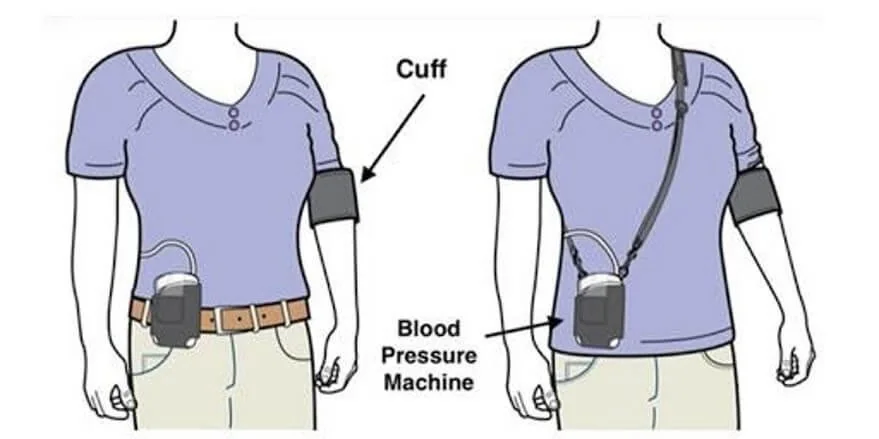
Ambulatory blood pressure monitoring (ABPM) measures blood pressure repeatedly over a full day and night while a person follows a usual routine. A cuff on the upper arm inflates at programmed intervals and stores each reading in a small recorder.
The pattern can be more informative than a single clinic reading. It can help assess suspected hypertension, differences between clinic and out-of-clinic readings, nighttime blood pressure and the response to treatment.
When is it recommended?
- Repeated high clinic readings that need confirmation over a normal day
- Possible white-coat hypertension, where clinic readings are higher than readings elsewhere
- Possible masked hypertension, where clinic readings appear normal but out-of-clinic readings may be high
- Assessment of daytime and nighttime blood-pressure patterns
- Review of blood-pressure control after starting or changing treatment
Purpose and potential benefits
- Provides multiple readings during activity, rest and sleep
- Shows day-and-night averages and changes over time
- Helps separate a clinic-only rise from persistent high blood pressure
- Supports treatment decisions with a broader blood-pressure profile