Understanding this service
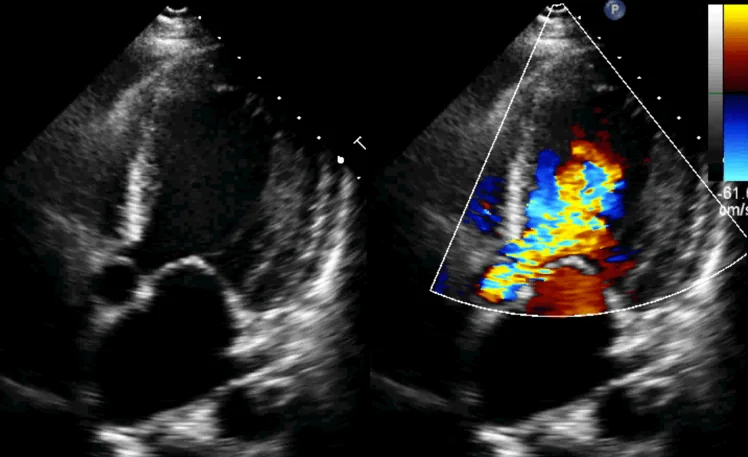
Heart valve disease may narrow a valve (stenosis) or prevent it from closing properly (regurgitation). Either problem can disturb blood flow and may cause breathlessness, chest discomfort, fatigue, reduced exercise tolerance or palpitations. Echocardiography is the main test used to identify the cause and measure severity.
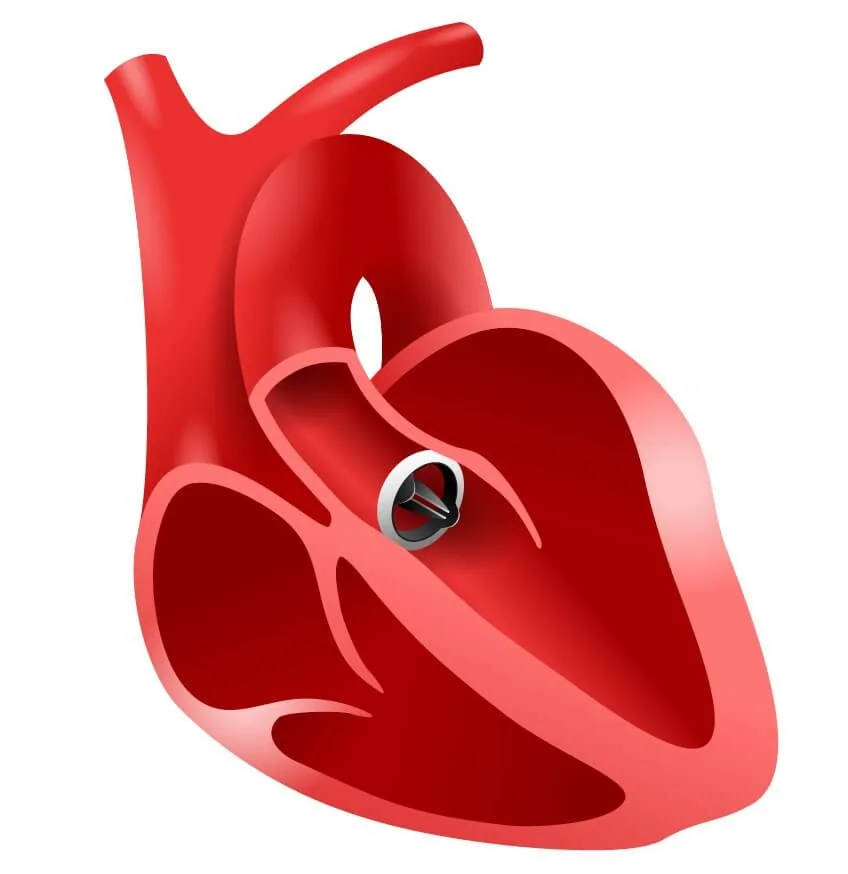
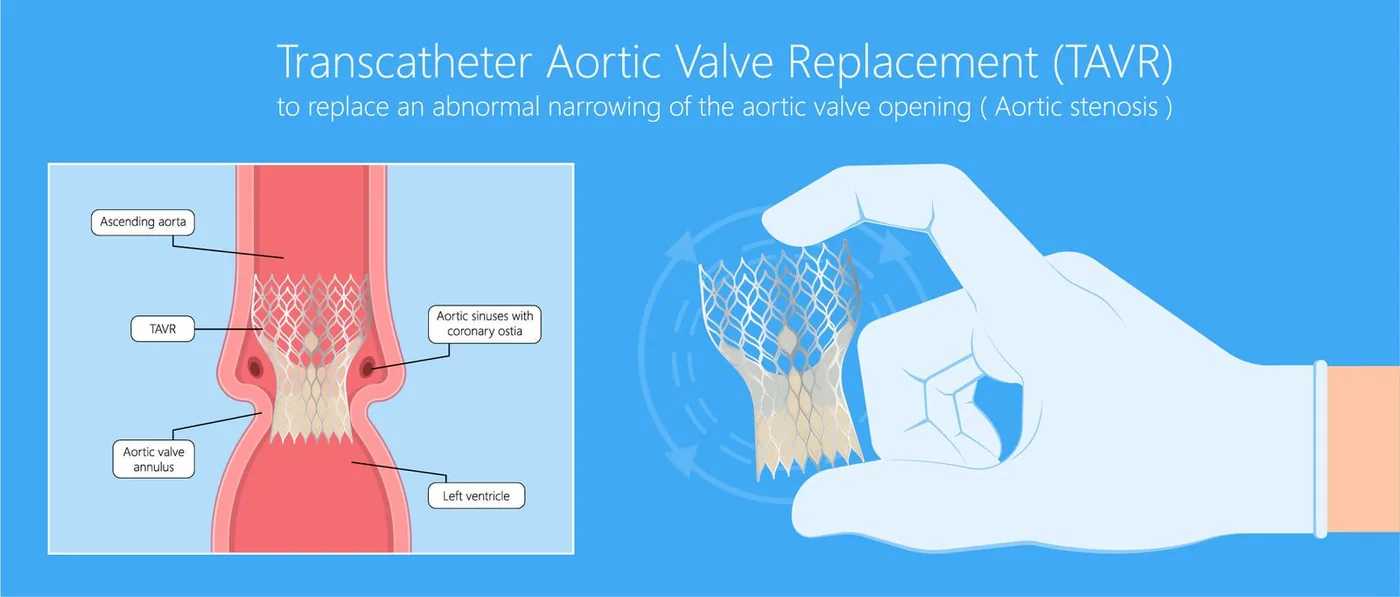
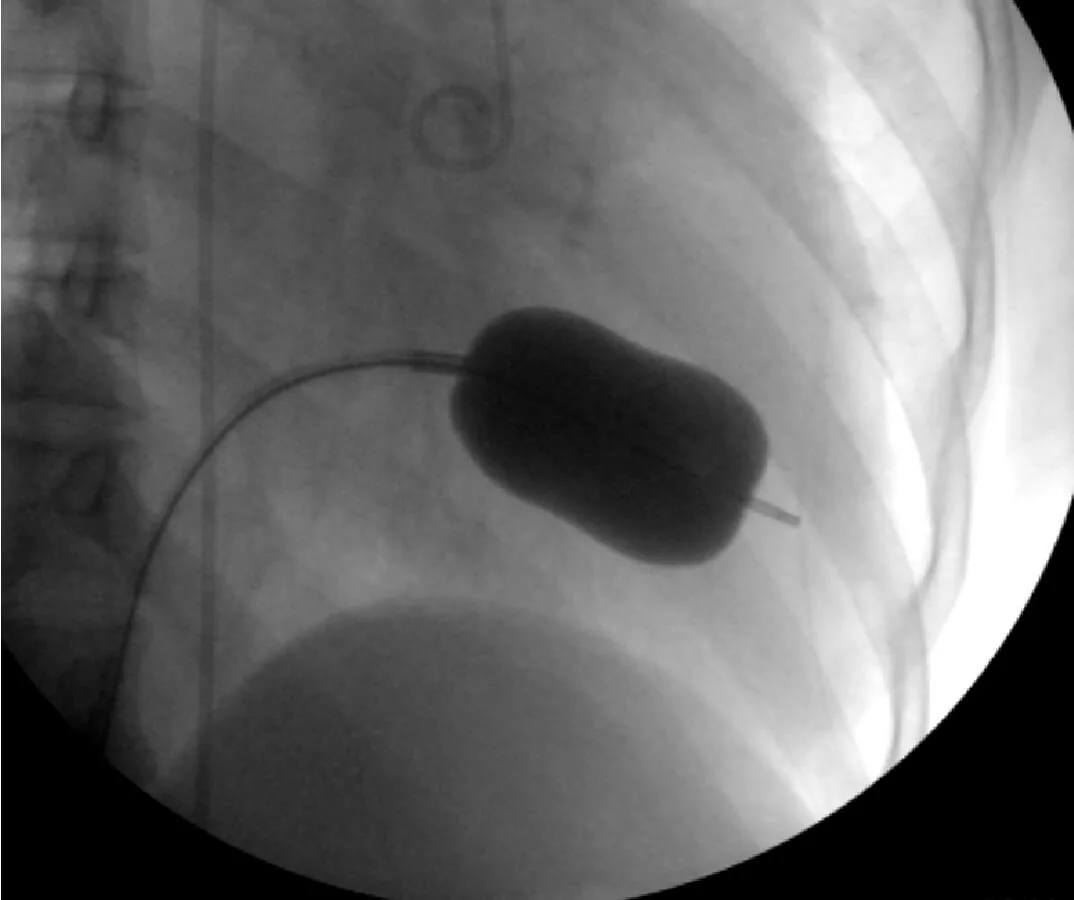
The source page describes valve repair and replacement with mechanical, tissue or other biological valves. The most suitable option depends on the valve, age, health, anatomy and need for long-term blood-thinning medicine. Selected mitral stenosis may be treated with balloon valvuloplasty, while selected severe aortic stenosis may be treated with TAVI/TAVR.
When is it recommended?
- Severe valve stenosis or regurgitation confirmed by a complete cardiac evaluation
- Valve disease causing symptoms such as breathlessness, fatigue, chest discomfort or reduced exercise tolerance
- Valve disease affecting heart size, pumping function or pressure even when symptoms are limited
- A valve that cannot be managed adequately with monitoring, medicine or catheter treatment
- A specialist recommendation for repair or replacement based on the valve and patient
Purpose and potential benefits
- Corrects severe obstruction or leakage at the affected valve
- Improves blood flow through the heart
- May reduce symptoms and improve daily function
- Offers repair, mechanical-valve and tissue-valve options according to the clinical need