Understanding this service
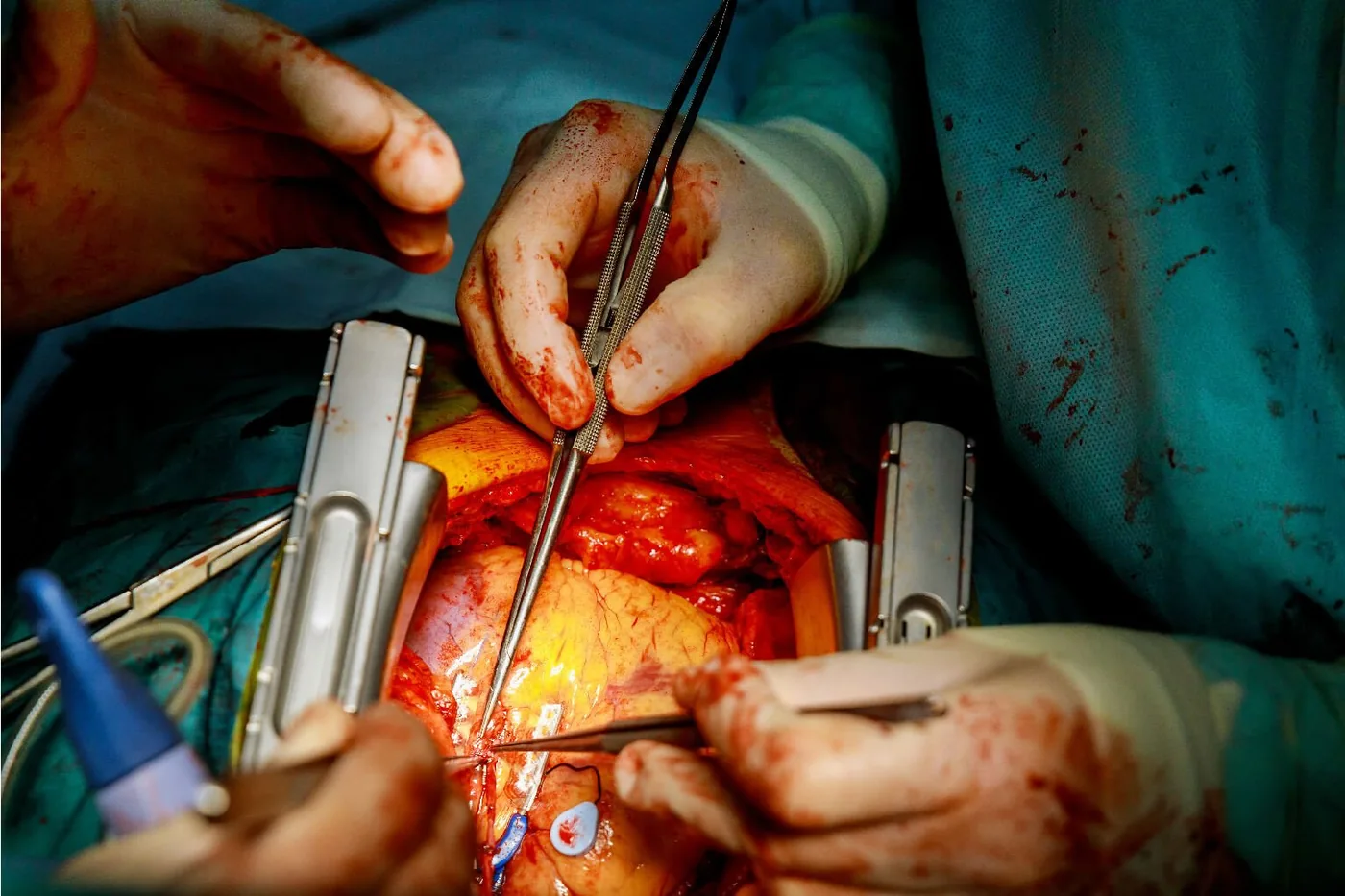
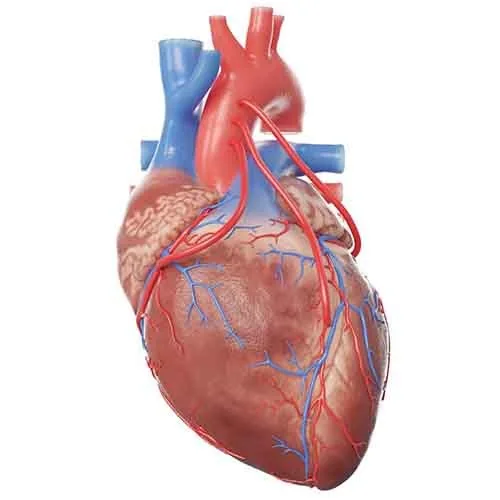
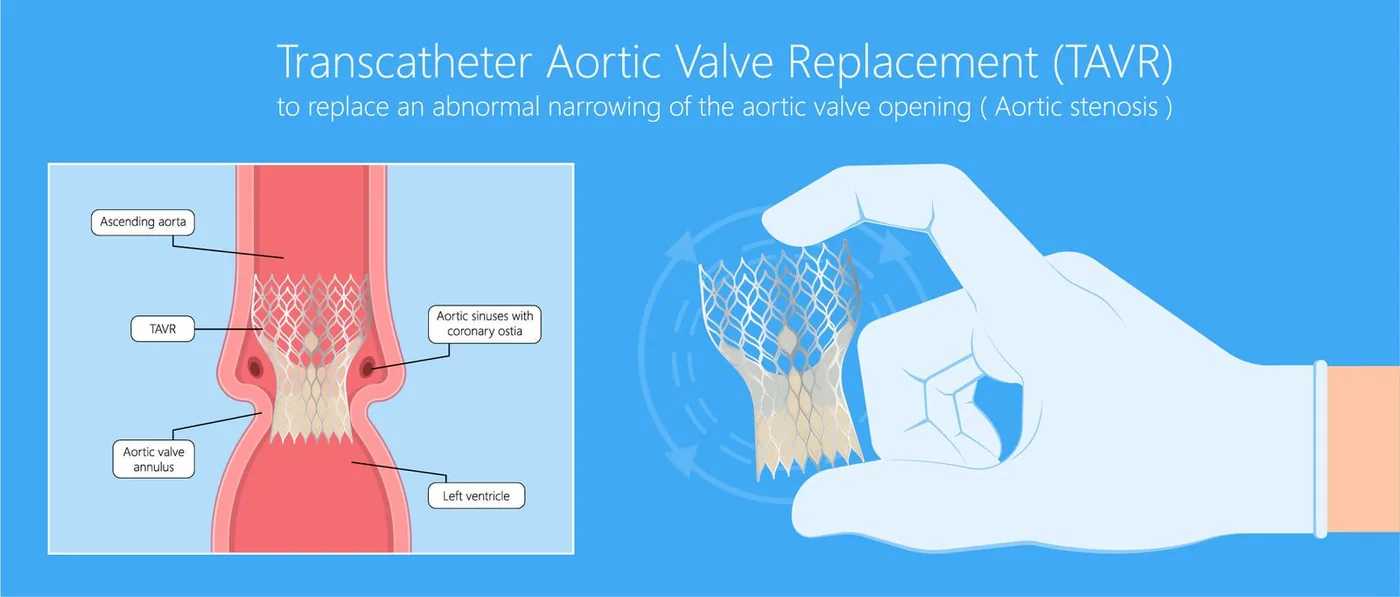
Minimally invasive cardiac surgery refers to surgical approaches that reach the heart through smaller incisions between the ribs or limited openings rather than a full median sternotomy. The specific operation may involve coronary bypass, valve repair or replacement, or another structural-heart procedure.
A smaller incision does not make the procedure minor surgery. Suitability depends on the heart problem, anatomy, previous operations, urgency and overall health. The cardiac surgeon may recommend conventional open surgery when it offers safer access or a more complete repair.
When is it recommended?
- Selected coronary bypass operations suitable for a limited-incision approach
- Selected heart-valve repair or replacement procedures
- Selected structural-heart operations that can be completed safely through smaller access
- Patients whose imaging, anatomy and overall condition support a minimally invasive technique
- A treatment plan agreed after comparing minimally invasive and conventional surgical options
Purpose and potential benefits
- Avoids a full breastbone opening in selected operations
- May reduce tissue disruption, pain and visible scarring
- May support earlier mobility and a shorter recovery for suitable patients
- Pursues the same corrective goal as conventional surgery through a different access route