Understanding this service
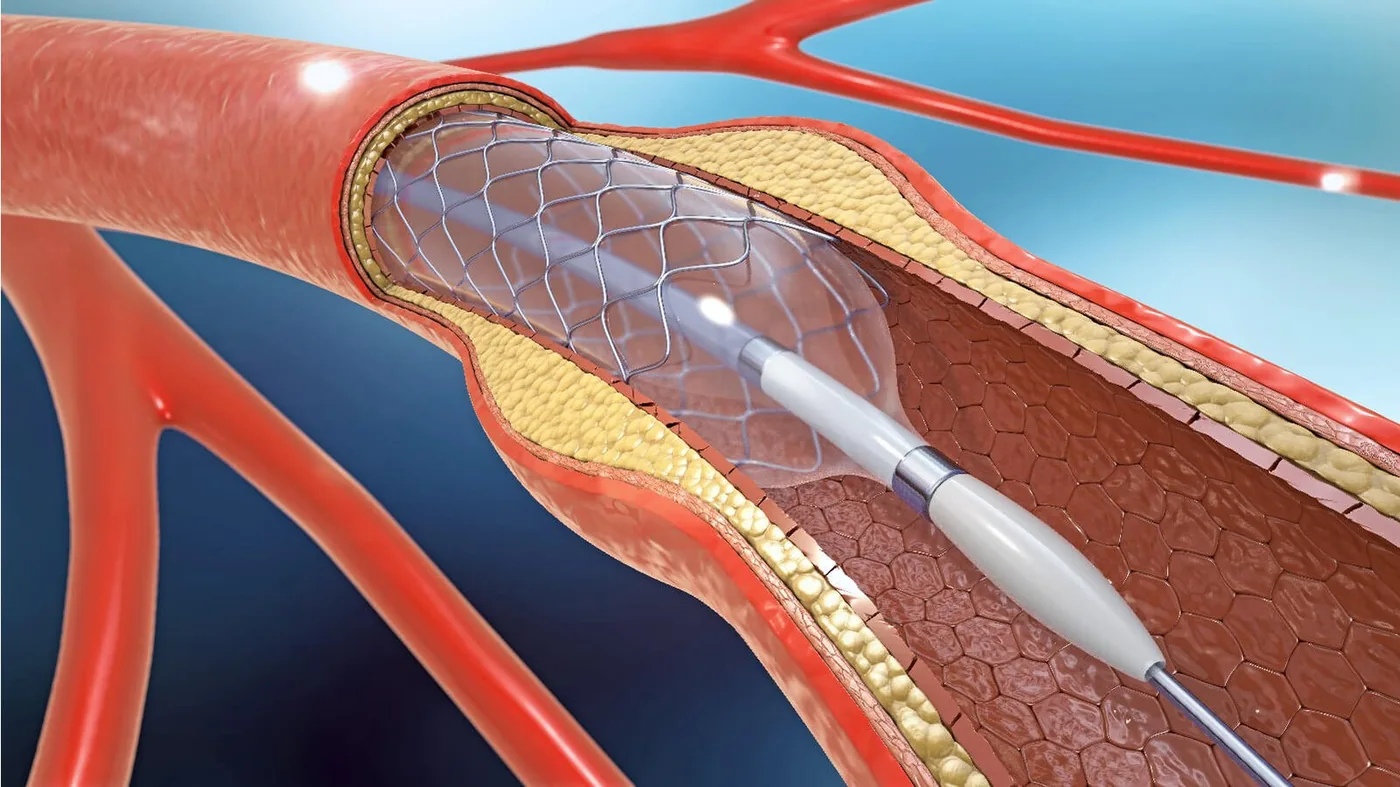
Coronary angioplasty, also called percutaneous transluminal coronary angioplasty (PTCA) or percutaneous coronary intervention (PCI), is used to open narrowed or blocked arteries that supply the heart. A thin catheter, guidewire and balloon are passed through an artery, and a stent is commonly placed to help keep the treated segment open.
The source page describes angioplasty as an important treatment for heart attack and for significant coronary narrowing. The decision follows clinical assessment and, in most cases, coronary angiography. The number, position and severity of blockages, together with the patient's overall condition, determine whether medicines, angioplasty or bypass surgery is the appropriate plan.
When is it recommended?
- A heart attack or acute coronary syndrome when urgent artery-opening treatment is indicated
- Angina or other symptoms linked to a significant coronary-artery narrowing
- Evidence of reduced blood flow to the heart followed by confirmation on coronary angiography
- Selected single-vessel, two-vessel or multivessel coronary disease after an individual assessment
- A coronary blockage for which the cardiologist considers PCI more suitable than bypass surgery
Purpose and potential benefits
- Restores blood flow through a narrowed or blocked coronary artery
- Treats selected blockages without open-heart surgery
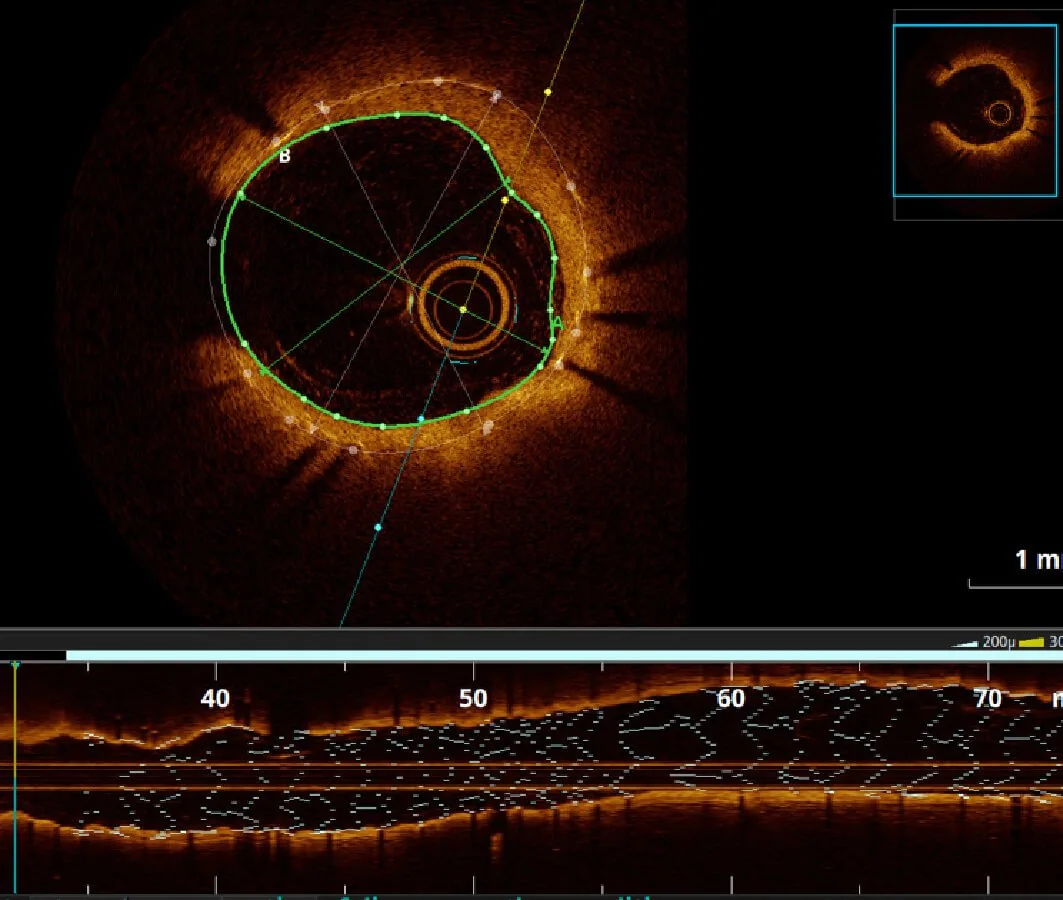
- Allows a stent to support the artery after balloon expansion
- Can be performed immediately after angiography when the findings and clinical situation support treatment