Understanding this service
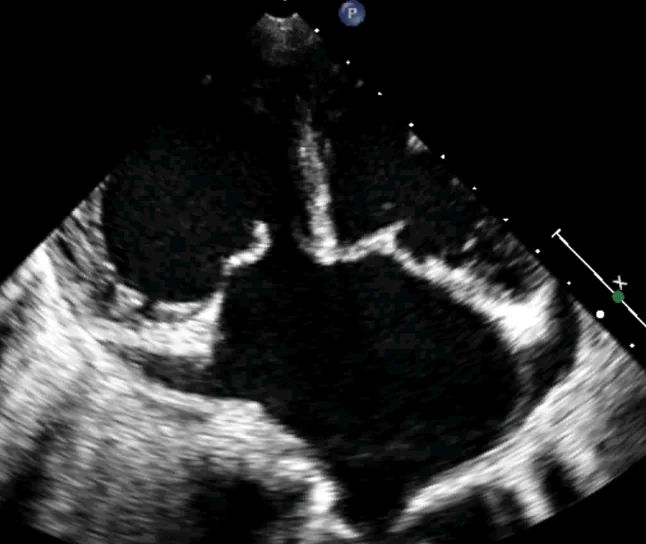
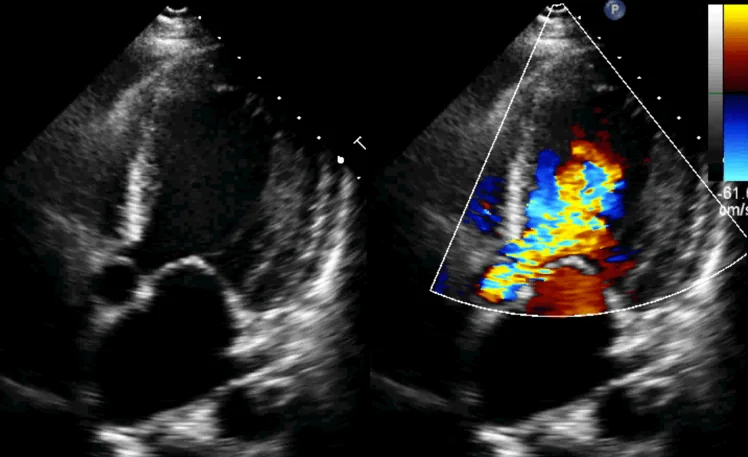
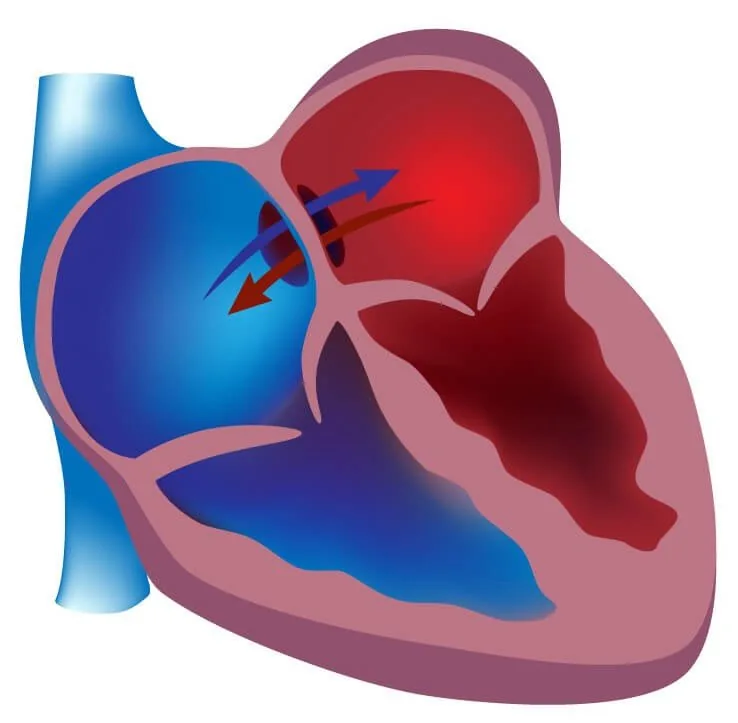
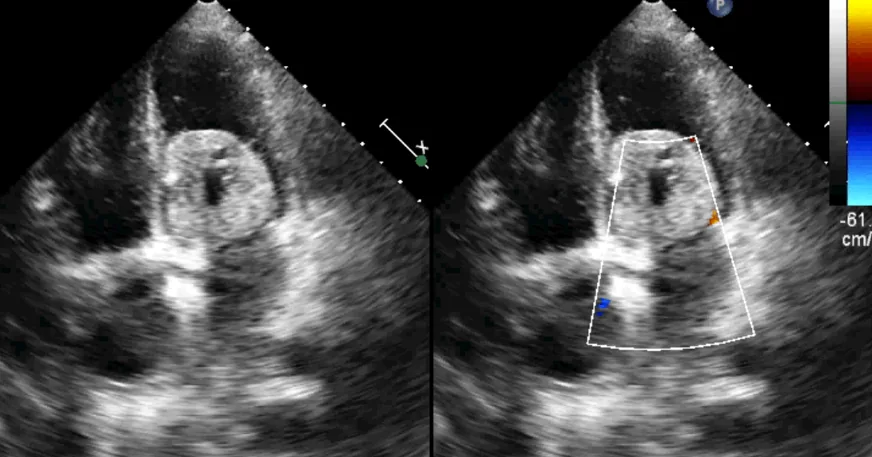
Pediatric echocardiography uses sound waves to make moving pictures of a baby's or child's heart. The examination is adapted for age and size and can assess the chambers, valves, major vessel connections, heart-muscle movement and direction of blood flow.
It may be used to investigate a murmur, symptoms or a suspected heart condition present from birth, and to follow a known condition or previous treatment. The findings are interpreted alongside the child's history and clinical examination.
When is it recommended?
- A heart murmur that requires structural assessment
- Suspected or known congenital heart disease
- Symptoms such as unexplained breathlessness, poor exercise tolerance, fainting or bluish colour that require cardiac evaluation
- Assessment of heart function after an illness or as part of specialist care
- Follow-up after treatment or surgery for a childhood heart condition
Purpose and potential benefits
- Shows a child's heart structure and major vessel connections in real time
- Assesses valve movement, pumping function and blood-flow direction
- Uses ultrasound rather than ionising radiation
- Supports diagnosis, treatment planning and long-term follow-up