Understanding this service
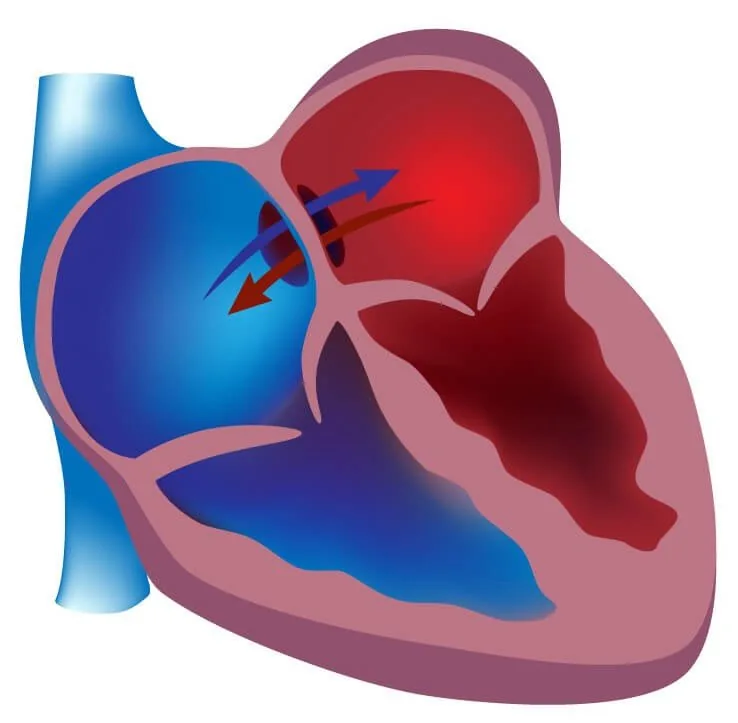
Some structural or congenital heart conditions leave an opening or abnormal connection that allows blood to flow where it should not. In selected patients, a closure device can be delivered through a catheter and positioned across the defect without open-heart surgery.
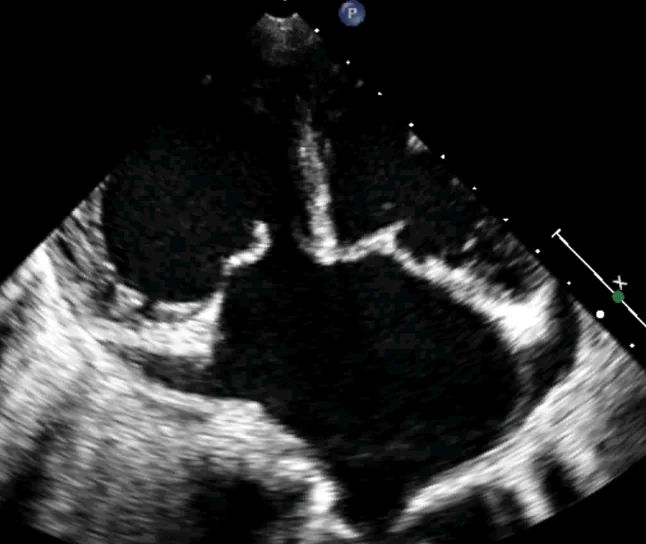
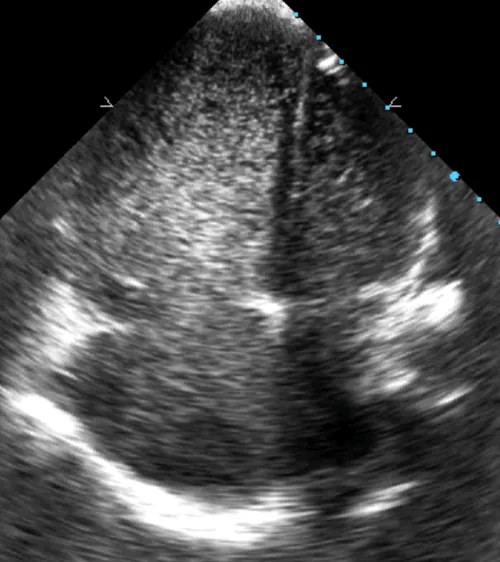
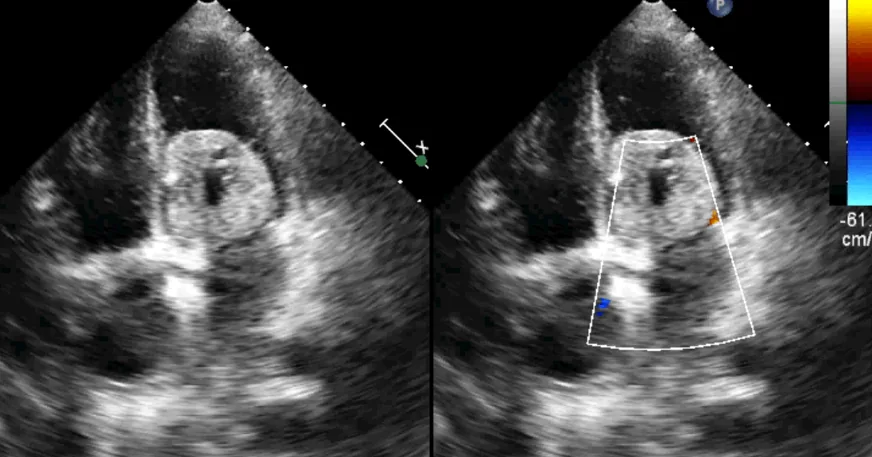
Device closure is not suitable for every defect. The cardiologist evaluates the type, size, position and surrounding tissue using echocardiography and other imaging. Examples that may be considered include selected atrial septal defects, patent ductus arteriosus and, for specific indications, patent foramen ovale.
When is it recommended?
- A structural heart opening for which closure is clinically indicated
- A selected atrial septal defect with adequate tissue to support a device
- A suitable patent ductus arteriosus
- A patent foramen ovale only when a specialist confirms a specific indication
- A defect whose anatomy is suitable for catheter closure rather than surgery
Purpose and potential benefits
- Closes selected defects through a catheter rather than an open-chest operation
- Reduces abnormal blood flow through the treated opening
- Uses imaging to position and check the device before release
- Usually allows a smaller access site and a shorter recovery than open surgery, although individual recovery varies