Outlook Best Doctors South 2025
Bagi Heart Centre — Expertise. Technology. Compassion.
Arrhythmia Assessment

Heart Rhythm Abnormalities

Specialist assessment of heartbeats that are too fast, too slow or irregular, with testing selected according to the symptom pattern.

Overview

Understanding this area of care

A heart rhythm abnormality, or arrhythmia, occurs when the electrical signals that coordinate the heartbeat do not start or travel normally. The heart may beat too slowly, too quickly or irregularly. Some rhythm changes are harmless, while others need treatment or urgent attention.

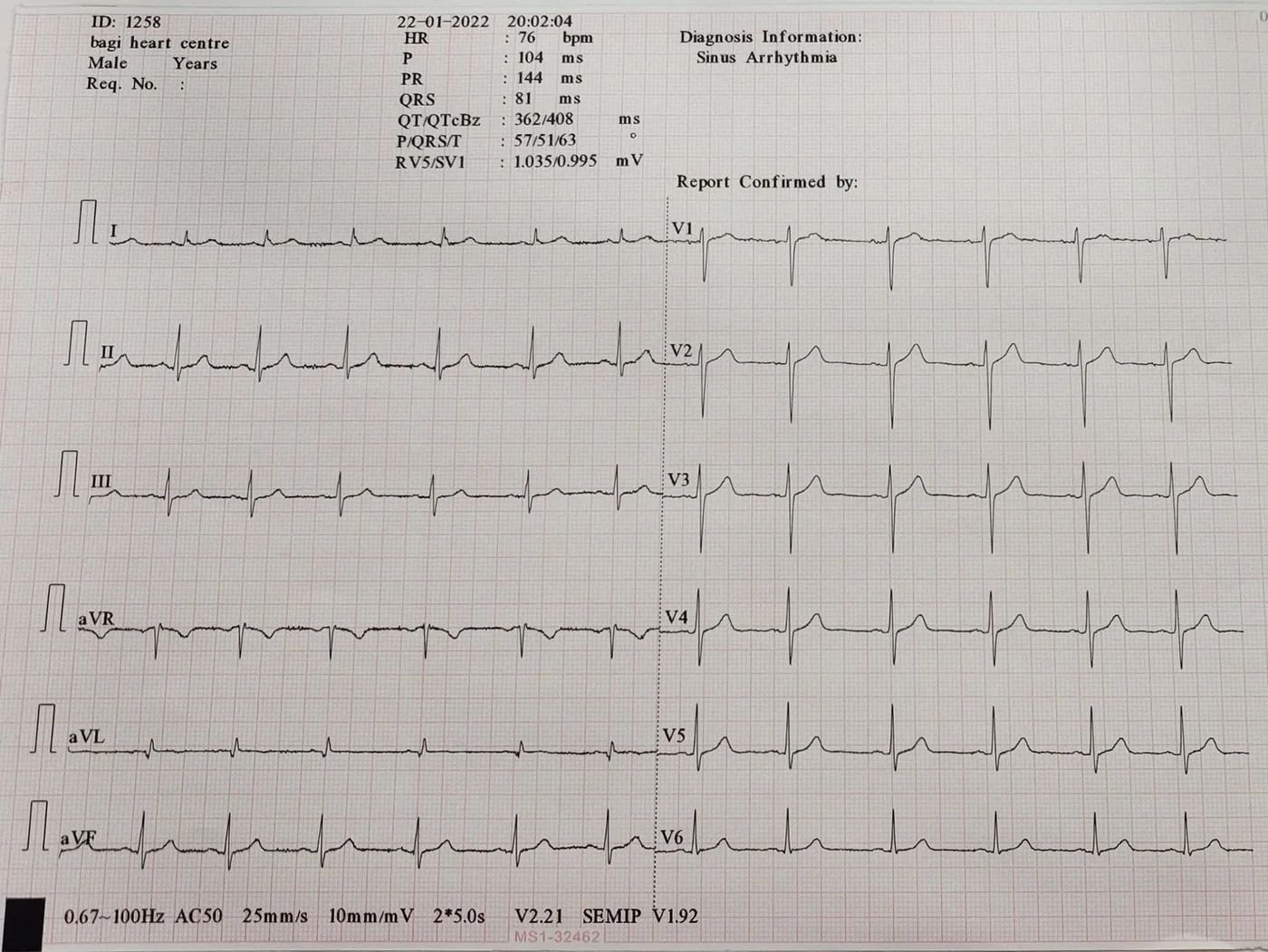
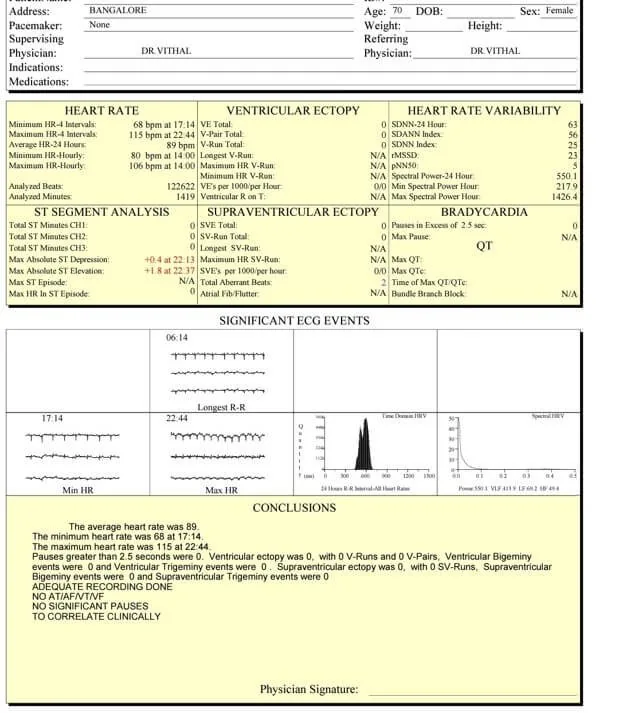
Symptoms can include palpitations, dizziness, fainting, breathlessness, chest discomfort or reduced exercise tolerance, but an arrhythmia may also be found on a routine test. The source material distinguishes electrical rhythm problems from coronary blockages and identifies ECG and Holter monitoring as important tools for detecting abnormal rhythms.

When is it recommended?

  • Palpitations or a heartbeat that feels fast, slow, pounding or irregular
  • Unexplained dizziness, fainting or near-fainting
  • An abnormal pulse, ECG or alert from a monitoring device that needs clinical review
  • Possible intermittent arrhythmia not captured during a brief clinic ECG
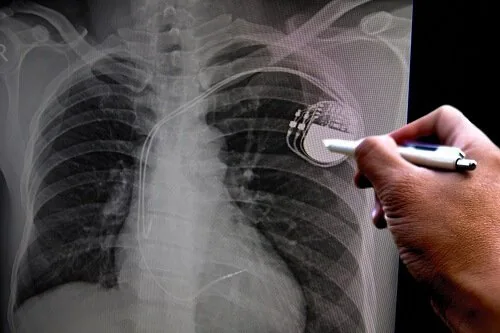
  • Follow-up of a known rhythm condition, pacemaker, defibrillator or rhythm medicine

Purpose and potential benefits

  • Links symptoms with the heart rhythm present at the same time
  • Distinguishes slow, fast and irregular rhythm patterns
  • Looks for structural, metabolic or medication-related contributors
  • Supports an individualized plan that may include monitoring, medicine, a device or another procedure
  • Explains warning signs and when emergency attention is necessary
Heart Rhythm Abnormalities — cardiac care at Dr. Bagi Heart Centre
Heart Rhythm Abnormalities · Arrhythmia Assessment
What happens

How the pathway works.

Your exact pathway depends on your clinical assessment.

01

Symptom and trigger review

The cardiologist asks how an episode starts and stops, how long it lasts, associated symptoms, medicines, stimulants, medical conditions and family history.

02

ECG and examination

Pulse, blood pressure and cardiovascular findings are checked, and a resting ECG records the rhythm present during the visit.

03

Targeted monitoring

A 24-hour Holter or longer monitor may be chosen according to how often symptoms occur. Blood tests and echocardiography may look for contributing conditions.

04

Management plan

Depending on the confirmed rhythm and its significance, the plan may involve observation, trigger management, medicine, an electrophysiology procedure, pacemaker or defibrillator assessment.

Before & after

What patients can expect.

Bring ECGs or monitor reports and a list of medicines, supplements and symptom triggers.

Note the start time, duration and associated symptoms of episodes whenever possible.

Because intermittent rhythms may not appear during a clinic visit, ambulatory monitoring may be required.

Do not stop rhythm or blood-thinning medicine without clinical advice.

Collapse, ongoing chest pain or severe breathlessness with palpitations requires emergency care.

Why Dr. Bagi Heart Centre

One specialist view across diagnosis, treatment and follow-up.

Dr. Bagi combines interventional experience with non-invasive evaluation and hospital-based care coordination. Recommendations are made after reviewing symptoms, examination findings and relevant reports.

Clear consultationOptions explained in language you can use.
Procedural experience7,000+ interventional procedures recorded by the source site.
Connected evaluationTesting and follow-up aligned with your treatment pathway.
Continuity of careSupport before, during and after a major decision.
Questions, answered

Heart Rhythm Abnormalities — frequently asked questions

General guidance only — your cardiologist will tailor advice to your health and reports.

It is a problem with the rate or rhythm of the heartbeat. The heart may beat too fast, too slowly or irregularly.
A standard ECG records only a short period. If the rhythm problem comes and goes, a Holter or longer monitor may be needed to capture an episode.
No. Management depends on the rhythm type, symptoms, duration, underlying heart condition and risk. Some need observation, while others need medicine or a procedure.
Seek emergency help if palpitations occur with collapse, ongoing chest pain, severe breathlessness, marked weakness or another rapidly worsening symptom.
Book a Consultation

Your heart deserves expert care — let's talk today

Book a consultation with Dr. Vithal D. Bagi on WhatsApp, or reserve a slot online. For emergencies, call our 24×7 line.