Understanding this service
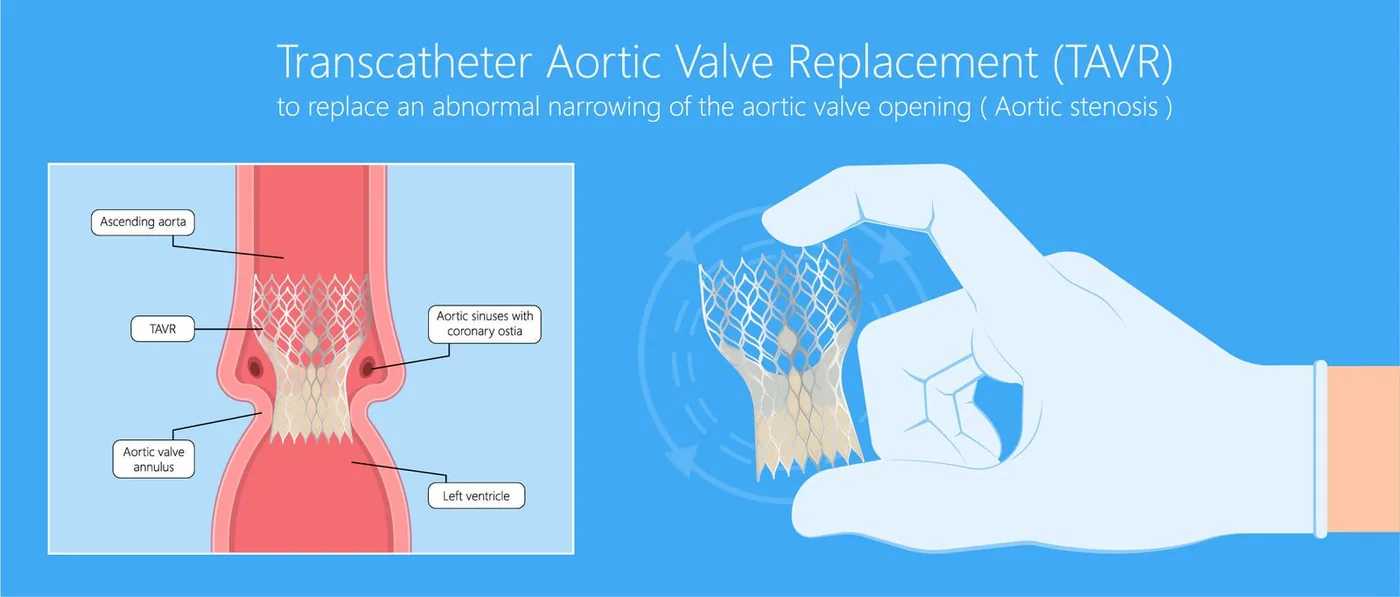
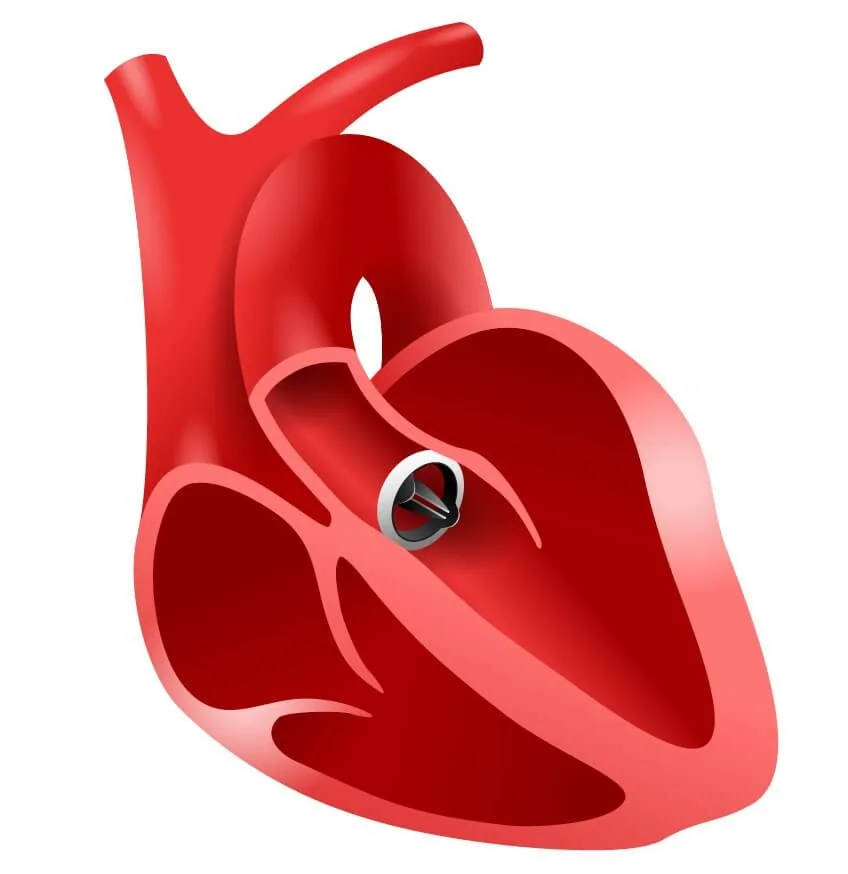
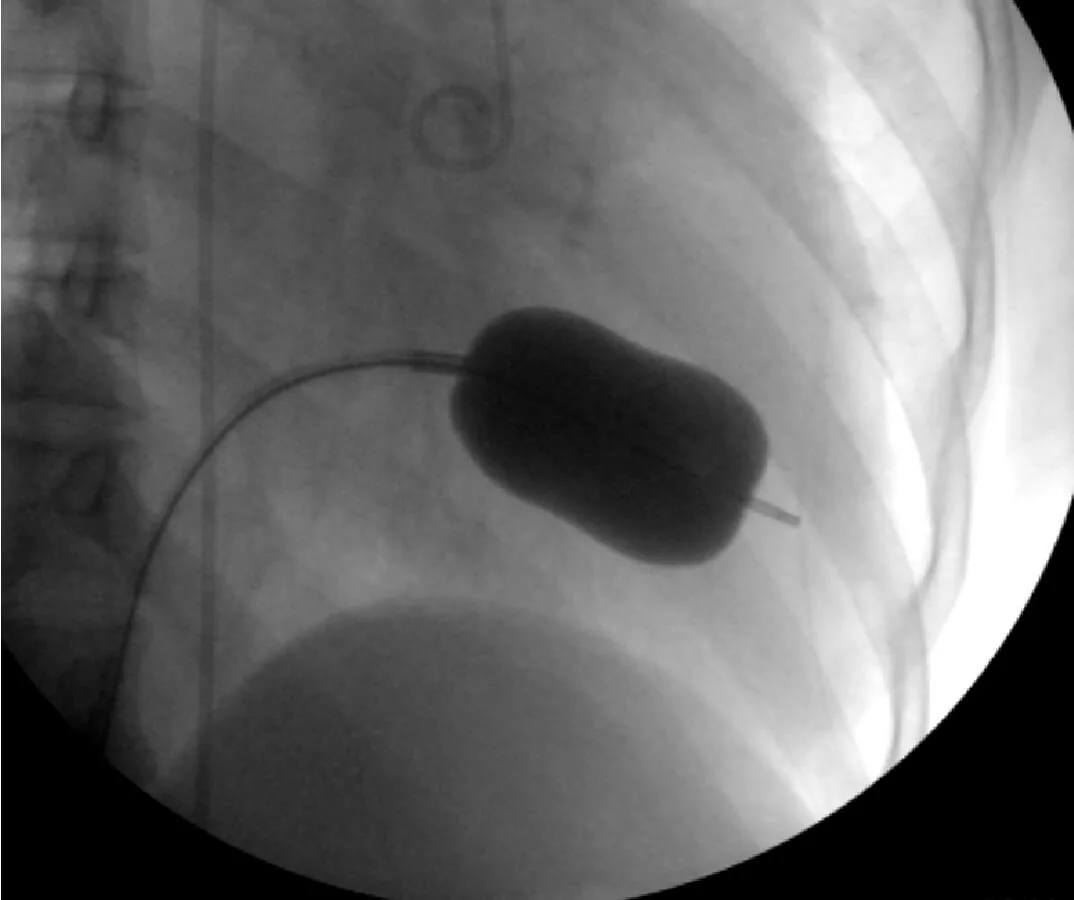
TAVI and TAVR stand for transcatheter aortic valve implantation and transcatheter aortic valve replacement. Both terms describe the same minimally invasive approach: a replacement valve is delivered through a catheter and expanded inside the diseased aortic valve.
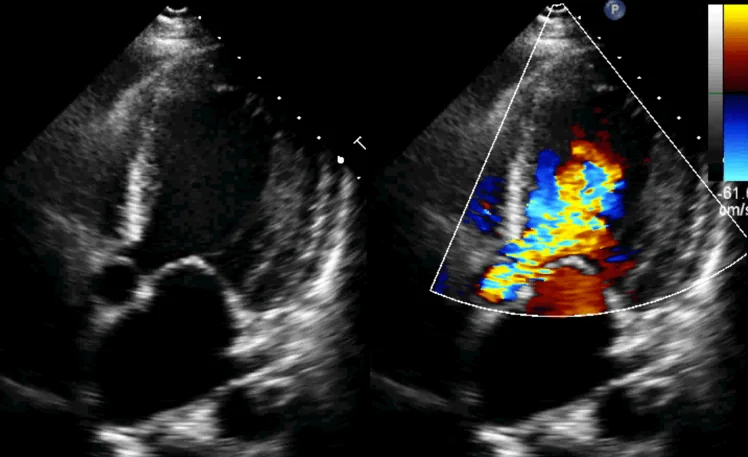
The source heart-valve page identifies TAVI/TAVR as a catheter-based alternative to surgical replacement for selected aortic-valve disease. It is most often considered for severe aortic stenosis after a heart team reviews symptoms, echocardiography, CT imaging, coronary status, anatomy and overall health.
When is it recommended?
- Severe aortic stenosis causing symptoms or important effects on heart function
- Aortic stenosis for which valve replacement is indicated after specialist evaluation
- Patients whose anatomy is suitable for a transcatheter valve and access route
- People for whom the heart team considers TAVI/TAVR preferable to surgical aortic valve replacement
- A treatment decision reached after discussing the expected benefits, risks and alternatives
Purpose and potential benefits
- Replaces the diseased aortic valve without a conventional sternotomy
- Improves the valve opening and forward blood flow
- Offers a catheter-based option for appropriately selected patients
- May allow earlier mobility and a shorter recovery than open surgery, although this varies by patient