Understanding this service
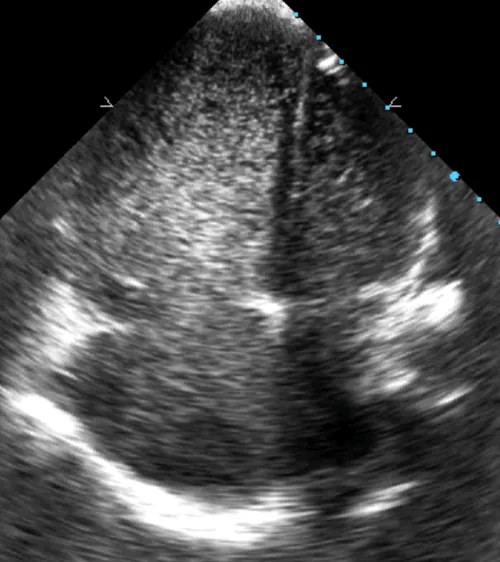
Contrast echocardiography adds a substance through a small intravenous line while ultrasound images are recorded. An ultrasound-enhancing agent can improve definition of the heart chambers and muscle borders when standard images are unclear.
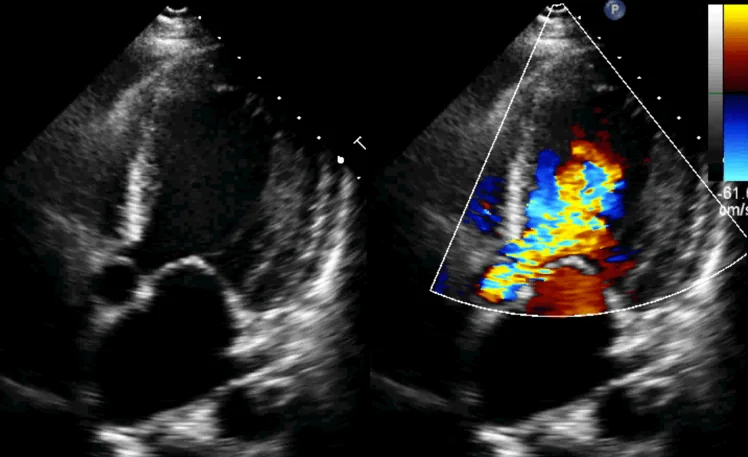
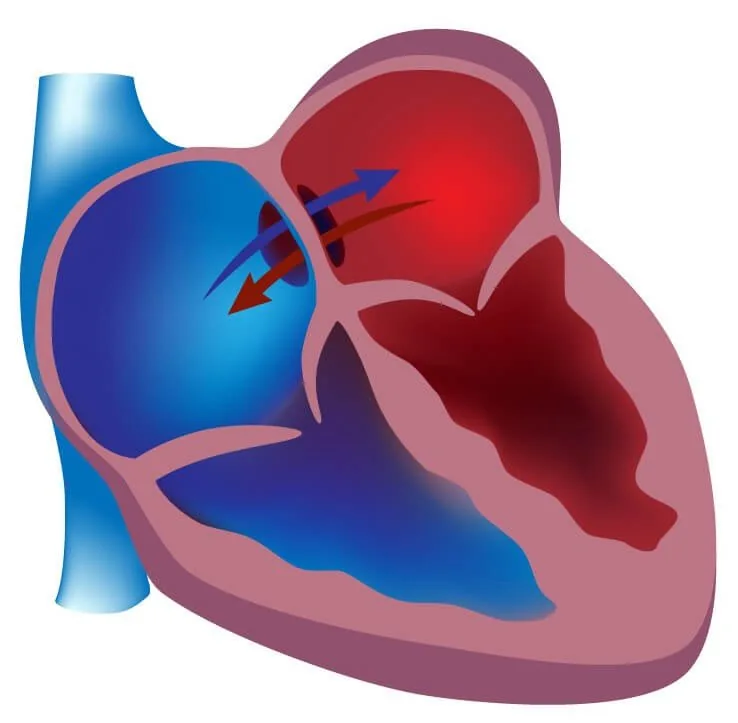
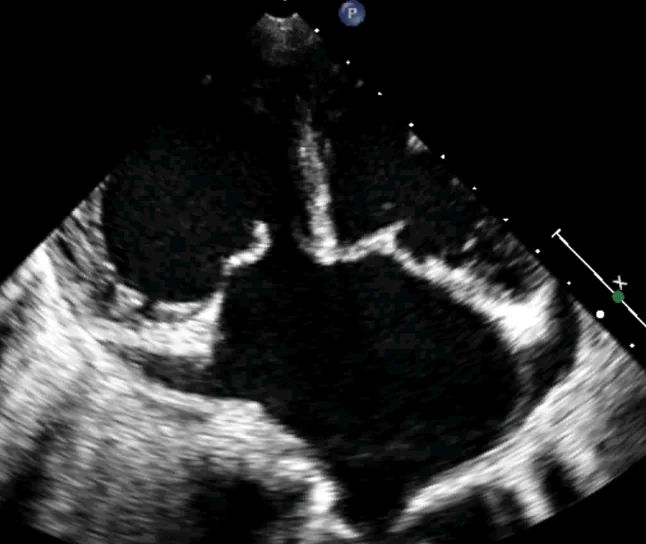
For a different clinical question, agitated saline may be used in a bubble study to look for an abnormal communication or shunt. The cardiologist selects the type of contrast according to the information needed; neither approach is the same as the iodine contrast used for a CT scan or coronary angiogram.
When is it recommended?
- A standard echocardiogram that does not show chamber borders clearly enough
- More accurate assessment of left-ventricular size or pumping function
- Closer evaluation of selected areas of heart-muscle movement
- A bubble study for a suspected intracardiac shunt or communication
- A clinical question for which clearer ultrasound images could change interpretation
Purpose and potential benefits
- Improves visibility of heart chambers and endocardial borders
- Can make assessment of pumping function more reliable when standard views are limited
- Can help detect or characterise selected intracardiac shunts when saline contrast is used
- Adds information to an ultrasound examination without ionising radiation